Hubungi Kami :


Why Transaction Simulation and MEV Protection Are the New Table Stakes for Web3 Wallets
Whoa!
Okay, so check this out—wallets used to be about keys and convenience. My gut said that was enough once, but the landscape changed fast. Initially I thought a simple UX and seed phrase backup were the big wins, but then I watched people lose gas and funds to bad simulations and clever MEV bots. On one hand it’s exciting that tooling evolved; on the other hand it’s messy and kind of infuriating.
Here’s what bugs me about how wallet security is discussed. Really?
Wallet vendors talk a lot about private keys and phishing. Hmm… that only scratches the surface. Transaction simulation is where the user actually sees what will happen on-chain before they sign, and that matters a lot. If you can’t preview the exact calldata effects and gas behavior, you’re guessing. On-chain behavior is not intuitive—especially with DeFi composability and approval flows that hide implicit mechanics.
Seriously?
Transaction simulation gives you a sandboxed read of the state changes that will occur, and also the gas trajectory. It’s that simple and that critical. Developers use local forks for this, but normal users should get that power too. Imagine being able to detect a sandwiched trade attempt or a failed internal swap before your wallet lets you hit “confirm.” That would save a ton of grief.
Hmm…
There’s a lot of nuance in how simulation is implemented. Initially I wanted pure RPC replay, but actually, wait—let me rephrase that. Replay on an RPC node alone can miss mempool dynamics and reorg edge cases, and it certainly misses MEV front-running and sandwich risk unless you include mempool state. So a good wallet’s sim stack needs to incorporate mempool context, bundle-aware logic, and realistic gas estimation models. That means more infra and more complexity on the client or a trusted relayer.
My instinct said users would hate complexity. They don’t.
People love clear signals that reduce risk. They want confidence, and that confidence can be shown as a simple “simulated outcome” line item. On a practical level, simulation helps flag approvals, infinite allowance traps, and cross-contract implications. It also surfaces unexpected refundable gas or pending internal tx that could fail later—things that users never see today.
Okay, so here’s another angle—MEV.
MEV used to be an obscure academic phrase. Now it’s frontline danger for traders and everyday users alike. On congested networks, extractive bots can sandwich, reorg, or reorder transactions to siphon value. That’s not theoretical; it’s real money being leeched from slippage-prone swaps. Wallets that ignore MEV are offering half a product.
I’ll be honest—MEV protection isn’t free, and it’s not trivial to implement.
One way is to route transactions through private relays or flashbots-style bundles, which can prevent mempool exposure that leads to sandwiching. Another approach is to include transaction timing heuristics and gas ceiling adjustments that make sandwiching less profitable for attackers. On a deeper level, some wallets provide on-chain anti-MEV strategies like commit-reveal patterns for sensitive ops, though those add UX friction. There are tradeoffs everywhere.
Something felt off about early anti-MEV claims.
Vendors promise magic. But seriously, no single silver bullet stops all MEV tactics. What works is layered defenses: simulation to detect vulnerability, private submission to avoid opportunistic bots, and user-facing UX that nudges safer parameters. This is the part where product design and infra engineering have to talk more than they usually do.
Check this out—
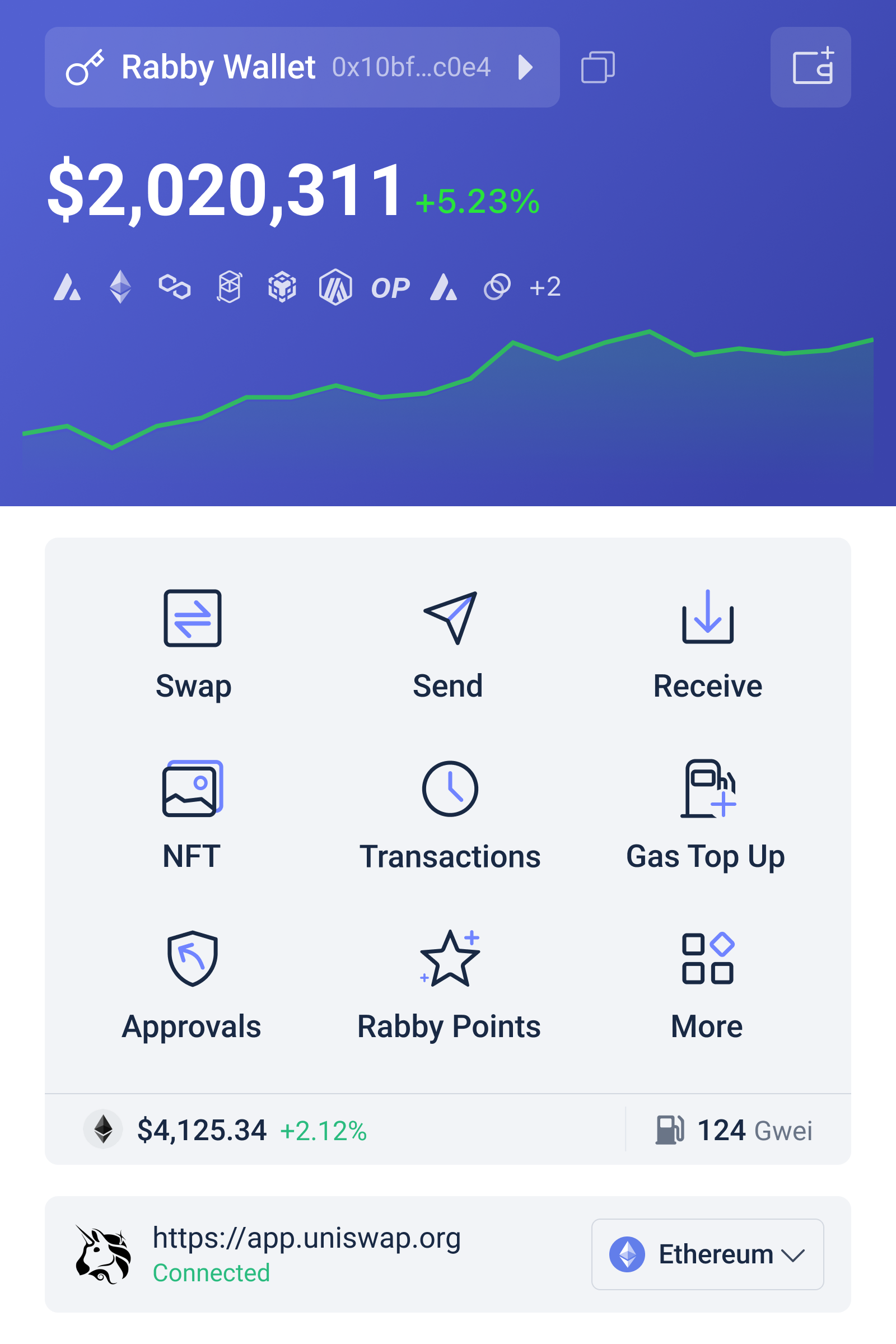
That image above? Picture seeing expected token inflows and outflows overlaid with risk scores. It’s an emotional moment for a trader—relief, usually. For regular users it’s a confidence builder. For builders it’s a design challenge that pays dividends in user trust. A wallet that combines immediate simulation and anti-MEV routing is effectively giving users a better shot at the intended result.
The UX side: making simulation usable for humans
Short disclaimers are boring but necessary. Wow! Wallet UX must translate technical signals into human terms. For example: instead of “revert on internal tx”, show “This swap may fail inside another contract; estimated outcome: you lose gas.” That language is clearer and actionable. Users need choices: accept a higher slippage, route via a different DEX, or wait.
On the engineering side there are choices to make.
Do you run heavy simulation client-side in a light client? Do you send simulations to a trusted server? Both have privacy implications. Personally I’m biased toward a hybrid model where the wallet runs quick local sims for immediate feedback and calls a low-latency, minimal-data relayer for deep mempool-aware sim when stakes are higher. That’s what separates hobby wallets from pro-grade ones.
(oh, and by the way…)
Rabby’s approach is interesting because it aims to provide that blend—strong UX, simulation layers, and built-in protections—without making users jump through hoops. I use rabby sometimes when I’m testing multi-step swaps because their interface surfaces approvals and potential failed routes clearly.
On one hand, relying on wallet-integrated relayers centralizes some trust. On the other hand, leaving users exposed to open mempools is worse. So it’s a tradeoff. This is the part where I say: “transparency matters.” Let users opt into relayers, show audit trails, and let power users inspect raw sim outputs. That gives both convenience and control.
There are some tactical measures that every wallet should adopt.
First, require explicit consent for dangerous approvals—no more blind infinite allowances. Second, include a compact simulation view with estimated gas, probable state changes, and a risk score for MEV vulnerability. Third, support private submission channels for high-value ops. Anything less is just marketing spiel. Users are smart enough to notice when a wallet glosses over these issues.
I’m not 100% sure about everything here.
There are unanswered questions about privacy vs. efficacy when using relayers, and some networks have unique MEV dynamics that change the game. For instance, EVM-compatible chains differ a lot in tx ordering behavior, and L2 rollups introduce their own latency and proof mechanics that can either mitigate or exacerbate MEV. Those varations mean solutions aren’t one-size-fits-all.
Still, some principles survive across chains.
Respect user agency, reduce surface area for attacks, and be honest about residual risk. Developers should instrument their wallets to log sim mismatches and real outcomes, which helps improve models over time. It’s a feedback loop—simulate, observe, recalibrate—and that loop is where long-term safety lives.
FAQ
What is transaction simulation and why should I care?
Simulation is a pre-sign check that models what will happen on-chain when your transaction executes, including internal calls, token flows, and gas use. You should care because it can reveal failed paths, hidden token transfers, and MEV vulnerabilities before you lose money.
How does MEV protection work in a wallet?
Wallet MEV protection typically combines private transaction submission (to avoid mempool exposure), heuristic checks to reduce sandwich risk, and UX nudges to discourage risky parameter choices. Some wallets bundle transactions to execute atomically and reduce extractable value.
Is using a relayer safe for privacy?
Relayers reduce mempool exposure but introduce a trust surface. The smart approach is optional relayers with clear policies, minimal retained data, and cryptographic proofs where possible. No solution is perfectly private, but well-designed relayers can drastically cut MEV risk.